

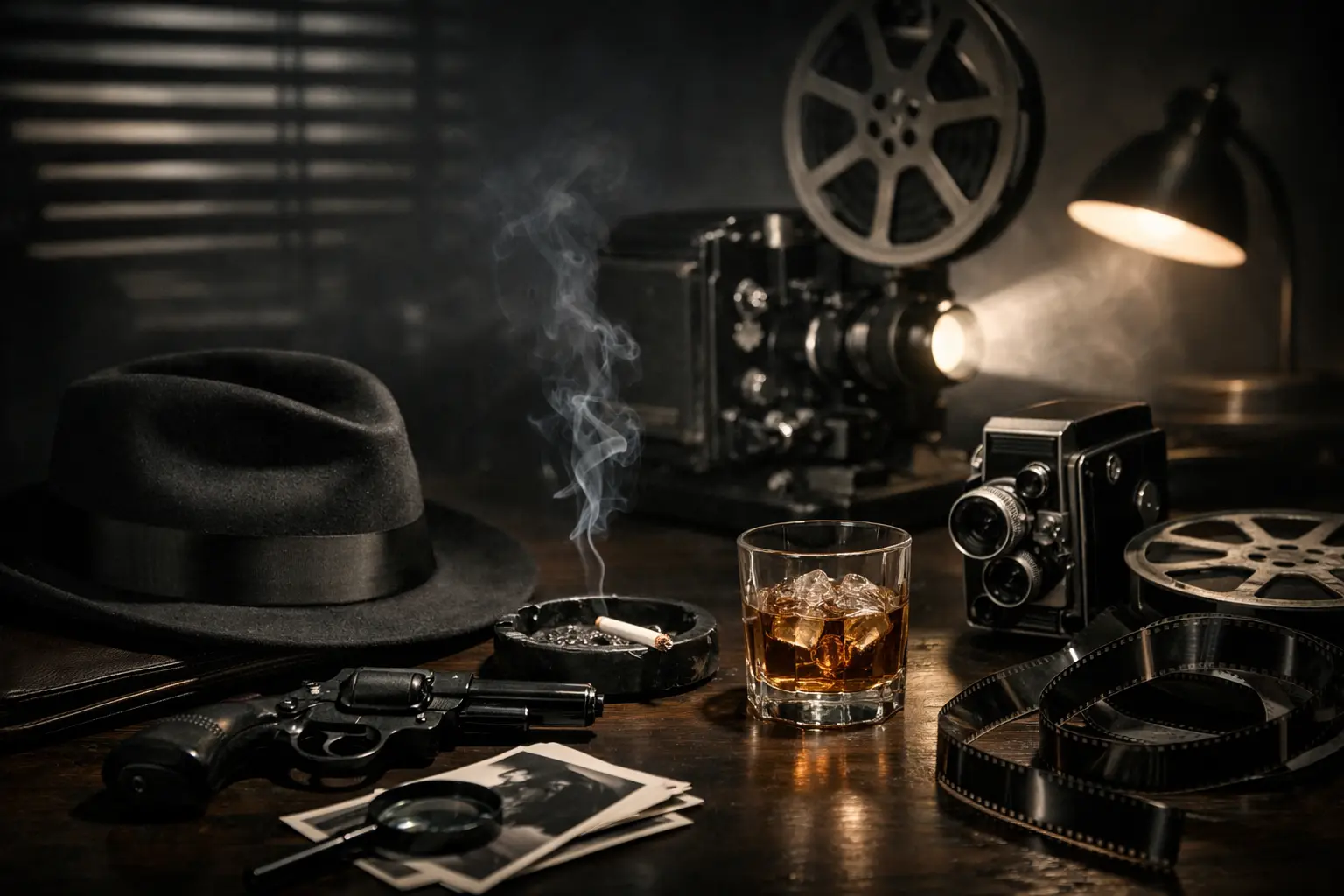
The first time a real noir lands, it does not feel polished or comforting. It feels smoky, cornered, and slightly dangerous – like you walked into a story halfway through and everyone on screen knows more than you do. That is the appeal, and this complete guide to film noir essentials is built for viewers who want more than a vague sense of fedoras and shadows. If you want to recognize the style, understand the mood, and know what makes one title feel unmistakably noir, start here.
What film noir really is
Film noir is less a strict genre than a visual and emotional pattern that shaped American crime films most strongly in the 1940s and 1950s. The term is often used for movies filled with moral compromise, urban anxiety, doomed romance, and characters trapped by bad decisions. The stories usually revolve around crime, but crime is not the whole point. The real engine is tension between what a character wants and what the world is willing to give.
That distinction matters because plenty of crime movies are not noir. A gangster picture can be energetic and outward-looking. A detective movie can be clean, procedural, and heroic. Noir, by contrast, tends to feel haunted. Even when the plot moves fast, the atmosphere suggests that damage has already been done.
For classic film fans, noir is one of the richest corners of old Hollywood because it combines sharp storytelling with striking visual design. It also rewards repeat viewing. The first watch gives you the mystery. The second shows you how every light source, glance, and line of dialogue was arranged to tighten the trap.
The complete guide to film noir essentials starts with mood
If there is one core rule in any complete guide to film noir essentials, it is this: mood comes first. Noir is built on unease. You feel it in nighttime streets, cramped apartments, lonely offices, roadside diners, train stations, cheap hotels, and clubs where the music sounds warm but the room feels cold.
This mood often reflects postwar uncertainty, city life, class pressure, and shifting ideas about power and identity. But noir never plays like a lecture. It turns those tensions into entertainment. A private eye takes a case. A drifter accepts easy money. A married man meets the wrong woman. The setup feels simple, then the story narrows around them.
The best noirs also leave space for ambiguity. Not every motive is cleanly explained. Not every ending is neat. That can surprise viewers used to modern storytelling that spells everything out. In noir, uncertainty is part of the design.
The visual signatures that make noir look like noir
The style is famous for a reason. Film noir turns ordinary spaces into psychological landscapes. Low-key lighting creates deep shadows and sharp contrast. Venetian blind patterns cut across walls and faces. Wet pavement reflects streetlights. Cigarette smoke softens edges while making rooms feel denser.
Black-and-white cinematography is central to the classic noir look, though not every black-and-white crime film is noir. The difference is in how the image is used. Noir lighting does more than look elegant. It divides characters, obscures information, and suggests that danger is always nearby. Faces disappear into darkness. Hallways seem longer. Staircases become threatening.
Camera angles also matter. Noir likes tilted compositions, tight framing, and shots that make ceilings and walls feel oppressively close. Even before a character speaks, the frame can tell you they are boxed in. That is one reason these films still feel immediate. The visual storytelling is direct, bold, and impossible to mistake.
The characters you will meet again and again
Noir has its own gallery of recurring figures. The private detective is the obvious one – observant, witty, stubborn, and rarely as detached as he claims. Then there is the ordinary man in over his head, often tempted by money, desire, or the fantasy of starting over.
The femme fatale remains the most discussed noir archetype, but she is often flattened by reputation. At her best, she is not just seductive and dangerous. She is intelligent, adaptable, and fully aware of how power works in a world stacked against her. Some noirs use her as a true agent of chaos. Others make her more tragic than villainous.
You will also find weary cops, smooth-talking fixers, loyal secretaries, nightclub performers, war veterans, husbands with secrets, and crooks who think they are smarter than the system. What links them is pressure. Noir characters are always negotiating risk, and they rarely do it from a position of safety.
Themes that define noir beyond the trench coat
The most durable noir themes are fatalism, betrayal, obsession, greed, and identity. Fate in noir is not mystical so much as cumulative. One compromise leads to another. A small lie becomes a permanent condition. By the time a character realizes the cost, the path back is gone.
Betrayal is equally central because noir distrusts appearances. Romance may be strategic. Friendship may be transactional. Institutions meant to provide order – police, business, marriage, wealth – often look shaky or corrupt. That skepticism gives noir its bite.
Identity is another major theme, especially in stories involving aliases, reinvention, memory, or double lives. Noir asks whether a person can really escape their past. Usually, the answer is no, or not for long. That grim outlook is part of the pleasure. Noir does not promise reassurance. It promises intensity.
Where to start if you are new to noir
If you are building your first watchlist, begin with titles that clearly display the form without becoming homework. The Maltese Falcon is a strong entry point because it established a hard-edged template for mystery, character games, and suspicion. Double Indemnity sharpens noir into pure temptation and consequence, with dialogue that snaps and a plot that closes like a vice.
Laura adds elegance and obsession, showing how noir can be romantic and unnerving at the same time. Out of the Past is essential for its fatalism and its dreamlike sense that the past never stays buried. The Big Sleep is denser and more elusive, but that is part of its appeal. You do not watch it only to solve the case. You watch it to sink into its rhythms, faces, and atmosphere.
For viewers who want the city itself to become a character, The Asphalt Jungle and Night and the City are excellent next steps. If you like a more raw, semi-documentary edge, try The Naked City. If you want noir with psychological strain pushed higher, Detour proves how much dread can be created with lean resources and ruthless storytelling.
How noir overlaps with other classic categories
One reason noir remains so collectible is that it blends naturally with neighboring forms. It shares DNA with gangster films, detective stories, melodrama, courtroom dramas, and thrillers. Some titles lean heavily into police procedure. Others play almost like twisted romance. A few drift toward horror in mood, even if not in subject.
That overlap can make classification tricky, and that is part of the fun. Purists may debate whether a given film is noir, noir-adjacent, or later neo-noir. Casual viewers do not need to stress over labels. If a movie gives you moral fog, visual tension, and a sense that everyone is one bad choice from collapse, you are in useful territory.
For a curated classic streaming experience, that flexibility helps. A noir section can lead viewers naturally into crime serials, hardboiled mysteries, suspense pictures, and other dark corners of vintage entertainment without losing the thread.
Why film noir still connects with modern viewers
Noir lasts because its anxieties never went out of style. People still respond to stories about compromised ambition, public charm hiding private rot, and systems that fail the vulnerable. Modern thrillers may update the clothes, pace, and technology, but the emotional wiring is familiar.
The old films also carry a handmade intensity that many viewers find refreshing. The shadows are crafted, the dialogue is precise, and the performances know exactly how much mystery to hold back. Restored and remastered presentations make that craftsmanship easier to appreciate, especially for audiences discovering classic screen entertainment outside repertory theaters.
There is also the simple pleasure of recognition. Once you know the essentials, noir starts appearing everywhere – in later crime films, prestige television, comic books, animation, and even unexpected hybrids. Learning noir sharpens your eye for the rest of film history.
What to watch for on your next noir night
Pay attention to entrances. Noir often tells you who holds power the moment a character steps into frame. Watch the lighting around faces, not just the faces themselves. Listen for narration, especially when it sounds confident but hints at panic or self-deception. Notice how often money is discussed, how often escape is promised, and how rarely anyone gets a clean one.
Most of all, let the atmosphere work on you. Noir was made to be felt as much as decoded. If a title leaves you with the sense that the city is bigger than the people in it and the night knows something they do not, it is doing the job.
The best way to understand noir is still the oldest one – queue up a classic, lower the lights, and let the shadows introduce themselves.