

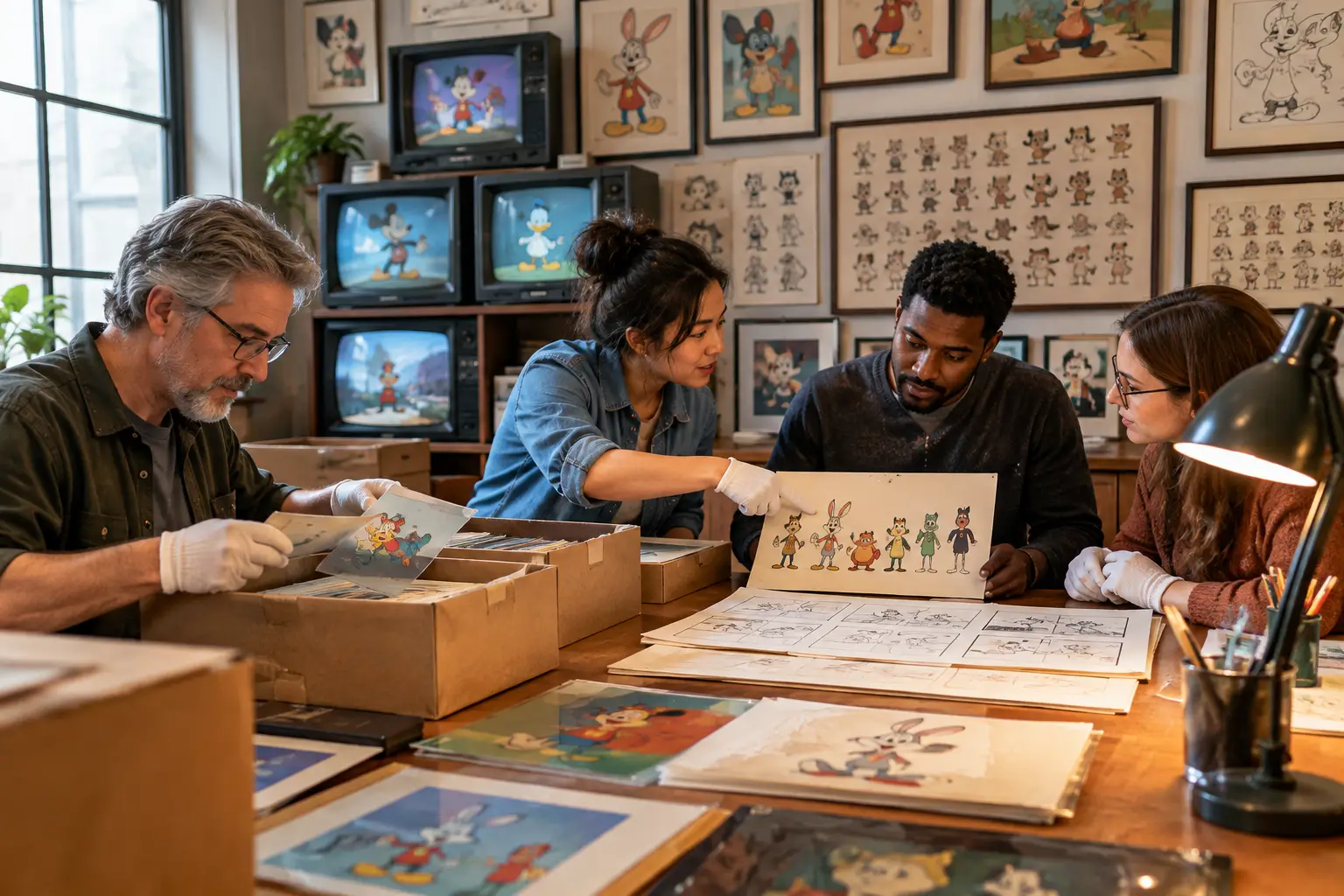
A dusty film can, a crackling television print, a character design that looks instantly familiar but refuses to give up its name – that is where the fun begins. The top forgotten cartoon characters are not necessarily lost to history. Many simply slipped out of the regular TV rotation, were buried beneath better-known studio stars, or became difficult to find outside collector circles. Their cartoons remain funny, strange, inventive, and often surprisingly modern.
For classic-animation fans, rediscovering these characters is more than a nostalgia trip. It is a chance to see how studios tested new comic rhythms, visual styles, voice work, and storytelling long before Saturday-morning blocks became the standard. Some are gentle favorites. Others are products of an era that need thoughtful historical context. All helped make animation what it became.
Why Top Forgotten Cartoon Characters Still Matter
The famous names earned their status: Popeye, Betty Boop, Bugs Bunny, and Superman still command a screen. But classic animation was never built by a handful of stars alone. Every major studio had secondary players, short-lived leads, and experimental series that gave artists room to take chances.
That is why “forgotten” can be a misleading label. A character may be well known to historians while remaining invisible to casual viewers. Another may have aired constantly in one part of the country and barely appeared anywhere else. Availability matters. So do changing rights, incomplete film libraries, and the fact that older shorts were often repackaged without their original titles or credits.
The best way to approach these cartoons is with open eyes. Enjoy the gags, the timing, and the craft, while recognizing that some vintage material includes dated stereotypes or attitudes. Context does not erase history, but it helps viewers understand what they are seeing and why certain characters have a more complicated legacy.
12 Top Forgotten Cartoon Characters to Put on Your Watchlist
Koko the Clown
Before many animated stars had fully formed personalities, Koko the Clown was stepping out of an inkwell and into a live-action animator’s world. The Fleischer character began in the silent era and remains one of animation’s great early visual ideas. Koko’s rubbery movement and dreamlike adventures feel less like conventional cartoons and more like magic tricks caught on film.
His appeal is not tidy plot construction. It is the pleasure of watching animation discover its own possibilities, with drawings that stretch, transform, and fight back against the artist who made them.
Oswald the Lucky Rabbit
Oswald is no longer completely obscure, yet he still deserves a larger place in the public imagination. His 1920s shorts have a restless, anything-can-happen energy, packed with elastic gags and wild transformations. Watching Oswald in action makes the early sound and silent cartoon era feel immediate rather than academic.
He is especially rewarding for viewers who want to trace the evolution of character animation. The rabbit’s screen life crossed changing studios and styles, which makes his catalog uneven but fascinating.
Bosko
Bosko, the star of early Looney Tunes, is historically essential and emotionally complicated. His debut in 1929 helped establish a new branch of musical, sound-driven animation. The cartoons move to a jaunty rhythm, with songs and gags leading the action rather than merely decorating it.
At the same time, Bosko’s original presentation relies on racial caricature that deserves clear context. These films are not casual comfort viewing for everyone. For animation history, though, they show both the technical ambition of the period and the harmful conventions that shaped American screen comedy.
Scrappy
Columbia’s Scrappy was a small boy with oversized confidence, a cowlick, and a talent for turning ordinary situations into neighborhood-scale epics. He did not have the polish of Disney’s biggest stars, but that is part of his charm. Scrappy cartoons can feel intimate, mischievous, and pleasantly rough around the edges.
His world of kids, pets, siblings, and street-corner chaos gives the series a different flavor from the animal-centered comedy of many rival studios. Look for the quick pacing and oddly imaginative solutions to very small problems.
Flip the Frog
Flip the Frog belongs to the early sound-cartoon rush, when every studio wanted a lively character who could sing, dance, and survive impossible slapstick. He is not the most consistent personality on this list, but his shorts often deliver pure 1930s cartoon momentum: objects come alive, music changes the rules, and danger is treated as a setup for another gag.
Flip is worth seeking out for the artistry around him. The animation frequently has a bouncy, hand-drawn confidence that makes even a simple premise feel busy and bright.
Crusader Rabbit
Crusader Rabbit occupies a special place in television history. He was one of the first cartoon characters created specifically for TV, arriving in serialized adventures rather than self-contained theatrical shorts. Alongside his nervous sidekick Rags the Tiger, Crusader faced absurd villains and cliffhangers with a mock-heroic seriousness that still plays well.
The limited animation reflects the realities of early television production. That trade-off is part of the lesson: less movement made room for more episodes, more continuing stories, and a new kind of animated viewing habit.
Gerald McBoing-Boing
Gerald does not speak in sentences. He communicates in sound effects, which could have been a one-joke idea. Instead, the character became the center of one of the most stylish and affectionate cartoons of the 1950s. His simple design, expressive sound work, and emotional story make him memorable even for viewers who have never heard his name.
Gerald represents a major shift away from crowded, hyperactive cartoon worlds. The clean modern design gives every gesture and every sound room to land.
Heckle and Jeckle
These two wisecracking magpies were never short on nerve. Heckle and Jeckle specialize in needling authority figures, escaping traps, and turning a small disagreement into a marathon of revenge gags. Their matching designs make the dialogue and personality contrast do much of the work.
They are ideal for viewers who miss cartoons built around verbal rhythm as much as visual slapstick. The material can be broad, but the pair’s confidence gives their best shorts a sharp comic snap.
Little Audrey
Little Audrey arrived as a bright, curious child character whose adventures often drifted into fanciful territory. She has dreams, imaginative detours, and the kind of storybook logic that lets a simple errand become a surreal musical episode. Her cartoons are generally lighter and sweeter than the era’s more aggressive comedy series.
That makes Audrey a fine choice for a relaxed classic-cartoon session. She also reminds viewers that vintage animation was not only about wisecracking animals and knockabout violence.
Baby Huey
Baby Huey is a towering infant duck who means well, misunderstands nearly everything, and creates chaos simply by being too large for the world around him. The setup is wonderfully direct, but the character’s innocent enthusiasm keeps the gag from wearing thin when the short is well paced.
His cartoons capture a classic comedy formula: everyone else has a plan, and one cheerful force of nature destroys it without malice. For fans of big expressions and bigger physical gags, Huey remains a delight.
Deputy Dawg
Deputy Dawg brought a slower, homespun rhythm to early television animation. Rather than charging through constant catastrophe, he often dealt with local troublemakers, small-town schemes, and everyday frustrations. The relaxed Southern setting is part of the series’ identity, though individual episodes can carry period stereotypes that modern viewers may find uncomfortable.
At its best, Deputy Dawg is warm and character-driven. It is a reminder that TV cartoons did not always need a frantic pace to be entertaining.
The Goofy Gophers
Mac and Tosh are polite gophers with a taste for elaborate sabotage. Their refined manners are the joke: they destroy an antagonist’s plans while speaking as though they are hosting a garden party. The characters appeared in relatively few shorts, which helps explain why they are less remembered than other Warner Bros. players.
Their small catalog is worth savoring. The gophers turn politeness into a comic weapon, and their precise timing makes them a perfect counterpoint to louder cartoon personalities.
Where to Start With Forgotten Cartoon Characters
Start with the character type you already love. If you favor silent-era imagination, try Koko or Oswald. If mid-century design and sound appeal to you, Gerald McBoing-Boing is an easy first pick. For television history, Crusader Rabbit and Deputy Dawg reveal how the medium changed animation’s budget, pacing, and storytelling.
Do not judge an entire character from one random short. Production teams changed, series evolved, and surviving prints vary widely in quality. A clean, carefully presented transfer can reveal background art, facial expressions, and timing that a faded broadcast copy once hid. That restoration-minded approach is one reason curated classic libraries matter: they make discovery feel less like a scavenger hunt and more like opening a well-organized archive.
The next time you queue up a familiar classic, leave room for one name you do not recognize. On HetFlix, that small detour can lead to a forgotten voice, a beautifully odd gag, or a piece of animation history that suddenly feels brand new.