

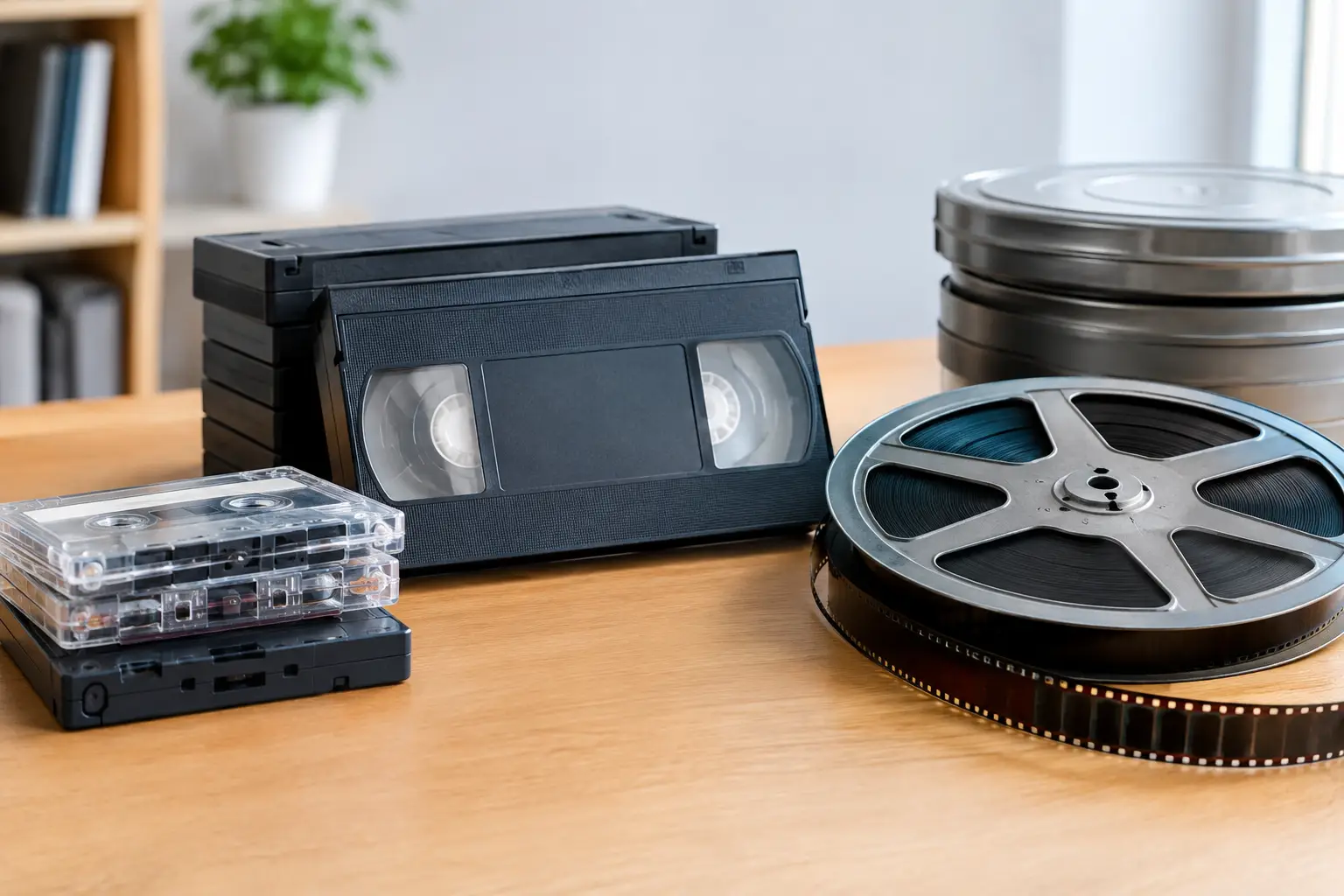
A faded Popeye short, a scratched Flash Gordon chapter, or a late-night film-noir feature can still create the same spark it did generations ago. What has changed is the way audiences find, view, and care for these treasures. Classic media preservation trends are moving beyond simply saving old reels and tapes. They are making vintage entertainment easier to discover, clearer to watch, and richer to understand.
For collectors and curious viewers alike, that shift matters. A title sitting unseen in a private vault may be historically valuable, but it cannot become part of a new viewer’s favorite Saturday-night watchlist. Preservation works best when it protects the original work while giving it a meaningful second life.
Classic Media Preservation Trends Changing What We Can Watch
The most encouraging trend is a broader definition of preservation. For decades, the conversation centered on physical survival: keep the film from shrinking, stop the tape from degrading, store the print correctly. That work remains essential. Nitrate film, magnetic tape, early television recordings, and even mid-century color processes all have their own risks.
But preservation now also includes access, cataloging, presentation, and context. A restored Betty Boop cartoon needs a dependable digital master, accurate title information, and a place where fans can actually locate it among thousands of programs. A chapter serial is more inviting when its episodes are organized in order rather than scattered across unrelated uploads.
This is especially valuable for media that mainstream services often overlook. Silent comedies, wartime shorts, B-westerns, vintage animation, and early television can seem niche until they are presented with care. Then the appeal becomes obvious: these works are lively, inventive, strange, funny, romantic, and often far more influential than their age suggests.
Restoration is becoming more selective
Restoration has always involved judgment. Dust, scratches, flicker, unstable frames, and damaged audio can distract from a film’s story or a cartoon’s visual energy. Digital tools can repair much of that damage, producing a more enjoyable image without erasing the character of the original source.
The best restorations do not treat every sign of age as a flaw. Film grain, slight softness, and the texture of hand-drawn animation are part of the experience. Remove too much, and a 1930s cartoon can begin to look artificially smooth. Push contrast too hard, and film-noir shadows can lose the mysterious depth that made them memorable.
That is why careful enhancement is gaining favor over aggressive cleanup. Viewers want a clearer picture and steadier sound, but they also want the work to remain itself. The goal is not to make a classic look like a new release. It is to let its original craft come through with fewer barriers.
Colorization and remastering remain a lively debate
Colorized classics and modern remasters can introduce older entertainment to people who might otherwise pass it by. For a younger viewer, a color-enhanced scene or improved soundtrack may provide an easy entry point into a black-and-white world. For a returning fan, it can offer a fresh way to revisit a familiar favorite.
There is a trade-off. Some audiences prefer a title exactly as it was originally released, while others enjoy an alternate enhanced edition. Both preferences are fair. The strongest preservation approach makes room for choice whenever possible: honor the original presentation, and clearly identify versions that have been colored, remastered, or otherwise updated.
That transparency respects the history of the work and the intelligence of the audience. A classic should never need to pretend it was made yesterday to earn attention.
From Archive Shelf to Watchlist
Digitization is often described as the finish line, but it is really the beginning of a new set of responsibilities. Scanning a film reel in high resolution or transferring an old broadcast tape protects content from repeated handling. It also creates files that must be stored, checked, migrated, and described over time.
A digital copy is only useful if it remains playable years from now. File formats evolve, storage drives fail, and metadata can disappear when collections change hands. Preservation-minded platforms and archives increasingly build multiple backups, document source materials, and keep track of which edition viewers are seeing.
For audiences, this behind-the-scenes work shows up as something simple: a classic episode that starts when they press play, looks dependable on a modern screen, and includes the right year, cast, episode number, or series title. Good organization may not be glamorous, but it turns a pile of files into a living library.
Discovery is now part of preservation
A movie can survive physically and still be effectively lost. This happens when it is mislabeled, unavailable in a complete run, or buried in a catalog that gives viewers no reason to click.
Curated discovery is helping correct that problem. Grouping titles by genre, character, era, studio, or theme gives audiences a natural route into unfamiliar material. Someone who arrives for Superman cartoons may discover classic serial adventures. A fan of romance musicals may find a forgotten star performance. A western viewer may be one recommendation away from a tough, atmospheric noir.
Editorial descriptions matter here. A few well-chosen lines can explain why a title is fun, what makes a character iconic, or how a program fits into screen history. That context is not academic decoration. It is an invitation to watch.
At HetFlix, the collector’s experience is part of the appeal: recognizable heroes, mischievous cartoon stars, cliffhanger serials, and hidden gems gathered in one place instead of left to chance searches across the web. A focused catalog gives older entertainment the attention it deserves.
Why Complete Runs Matter More Than Ever
One of the less glamorous classic media preservation trends is the push for completeness. A surviving pilot, a single cartoon short, or a highlight reel can create interest, but a complete series reveals how characters, performers, and production styles developed over time.
This is particularly true for serials and television. Watching one Captain America chapter without the next cliffhanger denies viewers the very structure that made chapter plays exciting. Seeing only a handful of episodes from a classic TV show can flatten its personality. The rhythm of recurring villains, running jokes, supporting characters, and evolving visual style becomes clear only across a fuller run.
Completeness is not always possible. Lost episodes, missing reels, music rights, and damaged materials can make gaps unavoidable. When that happens, honesty is better than silence. Identifying incomplete material helps fans understand what survives and why the missing pieces matter.
Preservation is Becoming More Collaborative
Film archives, collectors, studios, historians, fans, and streaming curators all hold different pieces of the puzzle. A private collector may have the only surviving 16mm print of a short. An archive may have the equipment and expertise to inspect it. A restoration specialist may know how to stabilize the image. A streaming platform can introduce the finished work to viewers who never knew it existed.
This collaborative model is especially promising for overlooked material. Major studio features often receive attention first, while regional programs, short subjects, cartoons, and independent productions may wait longer. Shared knowledge and specialized communities can bring those neglected works into view.
Fans play a role, too. They identify alternate titles, compare versions, preserve program guides, and remember details that formal records missed. Enthusiasm is not a substitute for archival standards, but it often points preservation work toward material worth saving.
The Best Trend is Treating Classics as Entertainment
There is a temptation to present older media as homework: important, worthy, and admirable, but somehow distant. That misses the point. Popeye is still funny when the timing lands. A shadowy detective story still has suspense. A musical number can still stop the show. A cliffhanger can still make viewers reach for the next episode.
Preservation succeeds when it protects history without trapping it behind glass. The next great discovery may be a cartoon that makes someone laugh for the first time, a serial that starts a weekend marathon, or a silent film that proves visual storytelling never needed dialogue to feel immediate. Give classic entertainment a clear path back to the screen, and it will do the rest.