

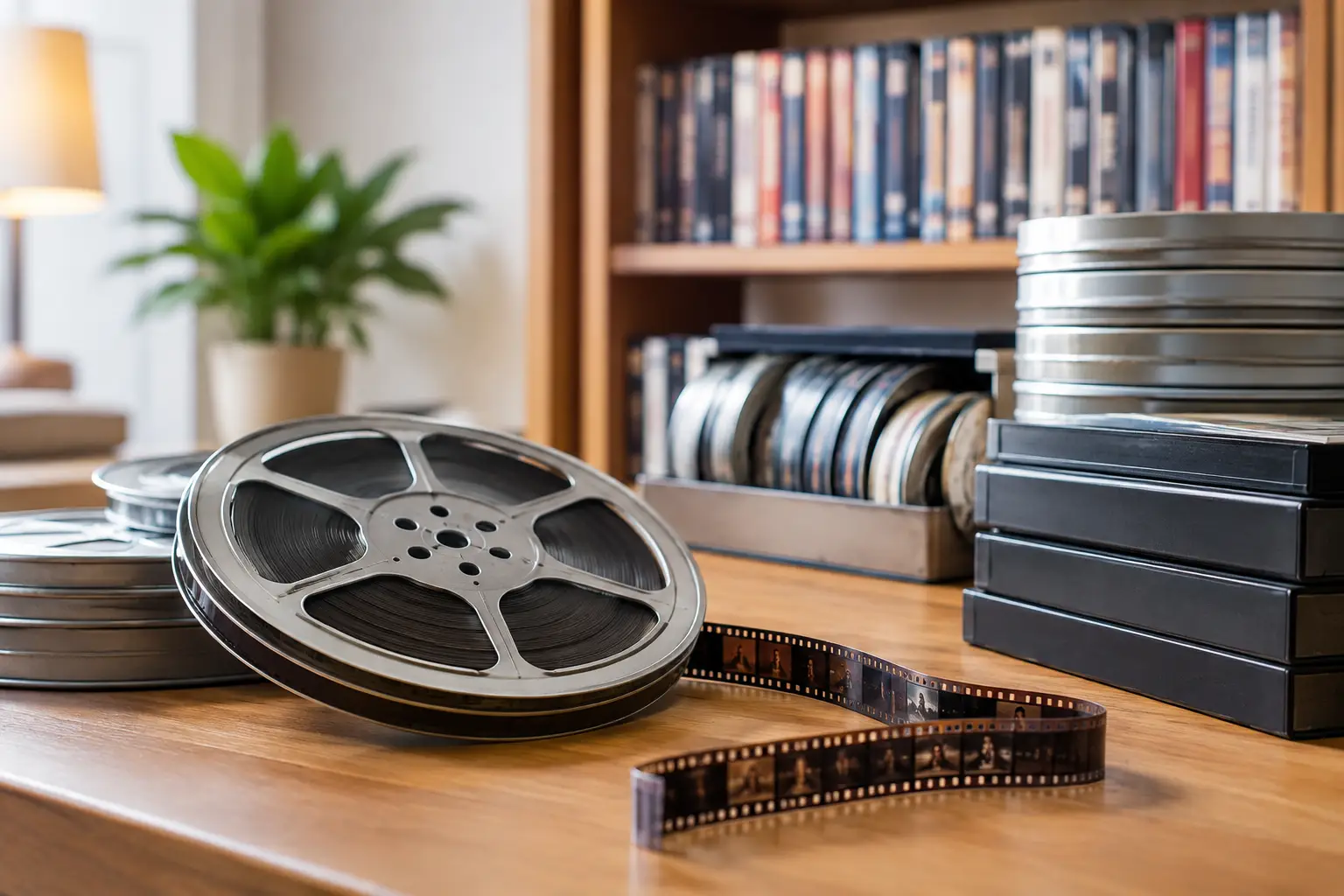
A cliffhanger is only as satisfying as the chapter that follows it. That is the first rule of how to collect film serials: do not think of these old adventures as isolated movies. A Republic, Columbia, or Universal serial was built to pull audiences back week after week, with each chapter ending in a runaway truck, a collapsing tunnel, or a hero facing impossible odds. Collecting them means preserving that rhythm.
For fans of Flash Gordon, Dick Tracy, Captain America, and the masked heroes who filled Saturday matinees, a good collection is less about owning the rarest box and more about making these chapter plays easy to find, watch, and enjoy. Start with the stories that still make you want to see what happens next.
Start With the Serials You Want to Revisit
Film serials cover more ground than many new collectors expect. There are jungle adventures, western chapter plays, science-fiction spectacles, crime mysteries, aviation tales, comic-strip heroes, and wartime action. Trying to collect every serial ever made can turn an exciting hobby into a storage problem very quickly.
Choose a lane for your first shelf. You might collect Republic’s energetic action serials, Universal’s imaginative science-fiction titles, or screen adventures based on comic characters. Another satisfying approach is to follow an actor, director, or studio through several years of chapter plays. A focused collection has a point of view, and it makes every new find feel connected to the last.
Keep a simple want list from the beginning. Include the title, studio, release year, number of chapters, format you want, and whether you are looking for a complete set or a particular edition. This small bit of organization prevents accidental duplicates and helps you spot a bargain when one appears.
Know What Makes a Serial Complete
A feature film is usually one item. A serial is a chain of chapters, which makes completeness the first question to ask before adding it to your collection. Most sound-era serials were released in 12, 13, or 15 chapters, though the count varies. Silent serials can be even more complicated because surviving materials, episode titles, and runtimes are not always consistent.
Before buying, confirm the chapter count and compare the chapter titles to a reliable filmography or reference guide. A listing that says “complete” may contain only a feature-length condensation, a television edit, or a handful of chapters transferred from worn prints. These versions can be enjoyable, but they are not the same as the original chapter-by-chapter experience.
Watch for Feature Versions and Reissues
Studios often recut serial footage into feature films for later release. Those editions can be fascinating artifacts in their own right, especially when they preserve scenes from a hard-to-find title. Still, they usually remove recaps, chapter endings, and supporting material that give a serial its pulse.
Label these clearly in your catalog. If you own both the original serial and its condensed feature version, you have a more interesting record of how the same story was repackaged for different audiences. If shelf space or budget is tight, prioritize the complete chapter set first.
Choose a Format That Fits Your Collection
The best format depends on why you collect. If you love cover art, studio logos, and the physical ritual of selecting a disc, DVD and Blu-ray remain rewarding choices. Blu-ray can offer a major improvement when a title has been restored from strong elements, but not every serial has received that treatment. A clean, carefully authored DVD may be the best available presentation for many chapter plays.
Digital access is useful for discovery and repeat viewing. It lets you sample unfamiliar titles without committing to another case on the shelf, and it is especially helpful for serials that are difficult to find in physical editions. At HetFlix, classic-adventure fans can browse vintage screen entertainment in a setting designed for rediscovery, then build a watchlist around the heroes, studios, and eras they enjoy most.
There is a trade-off. Streaming availability can change, while a properly stored disc remains part of your personal library. On the other hand, physical media can be expensive, fragile, and sometimes sourced from uneven transfers. Many collectors use both: streaming to explore and physical editions for the serials they truly want to keep.
Learn to Judge Condition and Presentation
A serial does not need to look brand-new to be worth watching. Scratches, flicker, and a few rough splices can be part of the journey when the only surviving materials are decades old. But there is a difference between authentic film wear and a poor home-video transfer.
Look for clear information about the source and presentation. Is the image stable? Are the chapter titles intact? Is dialogue understandable beneath the music and effects? Has the release been remastered, or is it copied from an older tape source? A restored edition may have steadier contrast, cleaner sound, and fewer distractions, while an unrestored print can still be historically valuable if it is complete and watchable.
For physical discs, inspect packaging photos when possible. Ask whether discs have scratches, whether all chapters are included, and whether the set has been tested. Be cautious with homemade labels, vague runtimes, and claims of “rare” material without chapter details. Rare does not automatically mean desirable.
Do Not Overpay for a Weak Transfer
Collectors sometimes confuse scarcity with quality. A hard-to-find serial on a low-grade disc may be worth a modest placeholder price, but it should not command the same money as a complete, carefully transferred edition. Leave room in your budget for upgrades. A better restoration may surface later, particularly for a recognizable title with continuing fan interest.
That said, some obscure serials survive only in imperfect form. If the story, stars, or studio matter to you, an imperfect copy can still earn its place. Just buy it with clear expectations.
Organize Your Serials for Watching, Not Just Owning
A collection becomes more enjoyable when you can answer a simple question: what should I watch tonight? Arrange your titles in the way that makes discovery easiest for you. Chronological order reveals how studios changed their stunt work, effects, and pacing. Studio order makes it easy to compare the distinctive styles of Republic, Universal, and Columbia. Genre order creates instant double features, from rocket ships to frontier outlaws.
Keep a catalog, whether it is a notebook, spreadsheet, or collection app. Record the title, year, studio, chapter count, format, condition, source, and any notes about missing material or alternate versions. Add a short personal note after watching. “Great miniature work,” “slow middle chapters,” or “best villain costume in the set” will be more useful later than a generic rating.
Storage matters too. Keep discs upright in cases, away from direct sunlight, heat, and damp basements. Handle them by the edges. If you collect tapes, reels, posters, or lobby cards alongside discs, give them archival sleeves or boxes when practical. The goal is not to turn your home into a vault. It is to make sure your favorite cliffhangers remain ready for another Saturday afternoon.
Build Context Around the Chapters
The richest film-serial collections tell more than one story. Place related items together when you can: a comic-book adaptation beside a later television version, a western serial alongside a classic TV western, or a superhero chapter play next to vintage animated shorts. These pairings show how characters and genres moved across decades of screen entertainment.
Read credits and notice the craftspeople. The same stunt performers, editors, composers, and character actors appear again and again across serial history. Once you recognize their work, familiar faces and techniques become part of the fun. A collection starts to feel less like a pile of old titles and more like a living map of Hollywood’s adventure factory.
Let the Cliffhanger Guide the Collection
The best collectors do not chase every title simply because it exists. They build a library that reflects the thrills they want to return to: a rocket ship disappearing into space, a secret identity revealed at the last second, a hero racing toward danger before the words “Next Chapter” appear.
Start with one complete serial you genuinely want to watch. Preserve the chapter order, make a note of what you loved, and let that next cliffhanger point you toward the title that belongs on your shelf after it.