

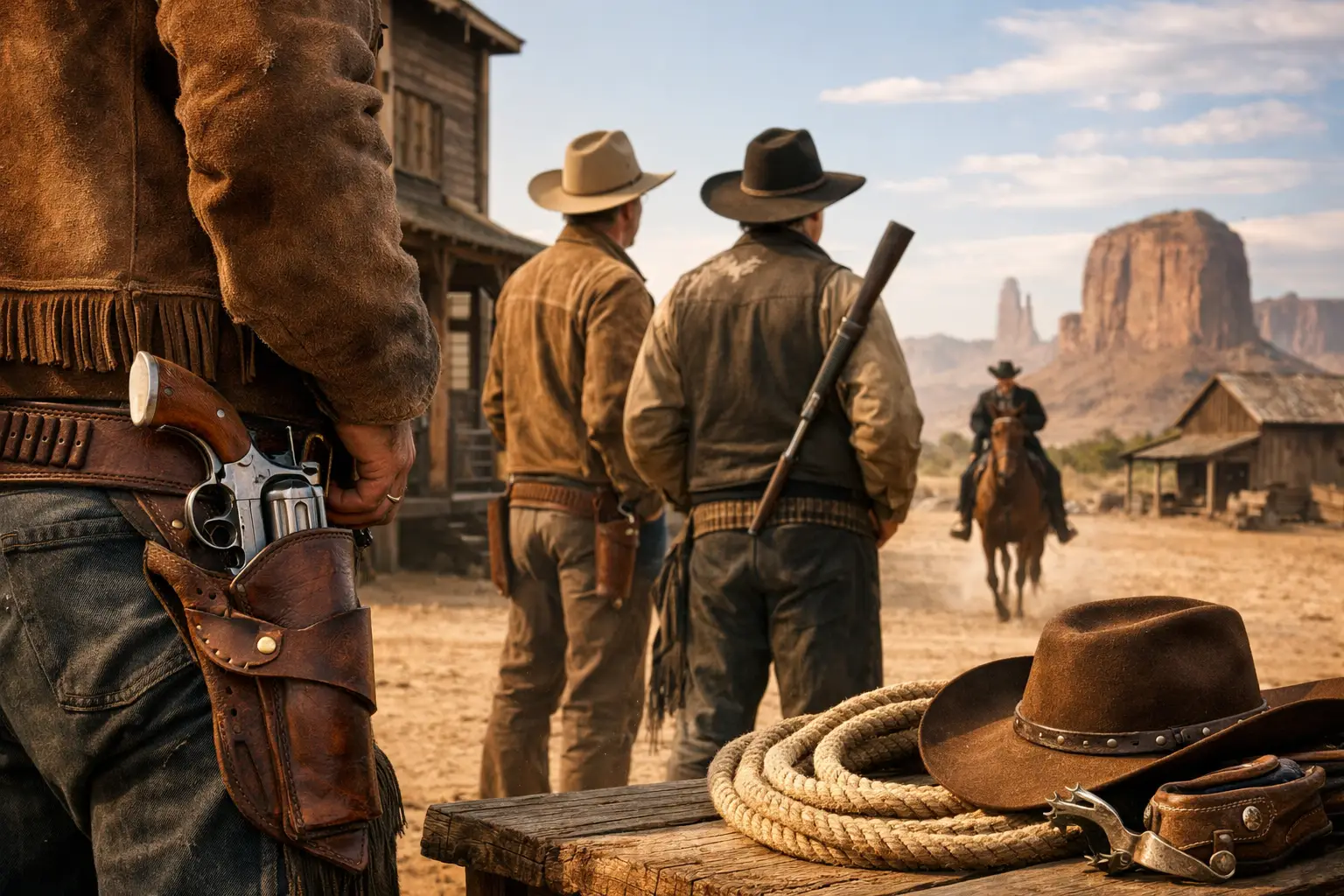
If your idea of a western starts and ends with a man in a hat staring down a dusty street, you are not wrong – but you are missing the fun part. The best classic westerns for beginners are the ones that show how flexible the genre really is: lean shootout pictures, big emotional epics, morally messy revenge stories, and surprisingly funny character pieces. A good starting lineup should make the genre feel inviting, not like homework from a film history class.
Westerns can be intimidating because they come with baggage. Some are tied to old studio styles, some run long, and some expect you to already speak the language of sheriffs, drifters, cattle drives, and frontier codes. But the right entry points still play beautifully for modern viewers. They are clear, vivid, and packed with the kind of screen presence that made these films endure in the first place.
What makes the best classic westerns for beginners?
For a first watch, accessibility matters more than prestige. A beginner-friendly western should have a strong central character, clean storytelling, and enough momentum to carry you through the genre’s slower rhythms. It also helps if the film shows off a different side of western storytelling, because no single title can represent everything the genre does well.
That is why the best classic westerns for beginners are not always the most academically celebrated ones. Some masterpieces are better once you already know the rules they are bending. If you are just getting started, it is smarter to begin with films that still feel immediate – movies with iconic stars, memorable conflict, and stakes you can lock into right away.
10 best classic westerns for beginners
Stagecoach (1939)
If you want to see the genre become a major American movie form in real time, start here. Stagecoach is brisk, easy to follow, and full of personality. A small group of travelers crosses dangerous territory, and the setup lets the film introduce several western archetypes without feeling stiff or ceremonial.
It also gives you John Wayne in one of the performances that turned him into a western institution. More importantly for a newcomer, it is entertaining first and historic second. You do not need to study it to enjoy it.
High Noon (1952)
High Noon is one of the cleanest entry points in the entire genre. The premise is simple: a marshal learns that a dangerous outlaw is returning on the noon train, and he has to decide whether to stand his ground, even as the town begins to shrink away from him.
The real hook is the ticking-clock structure. This is not a sprawling frontier saga. It is tense, direct, and surprisingly modern in how it builds pressure. If you like stories about courage under social pressure, this one lands fast.
Shane (1953)
Shane is a great pick for viewers who want the mythic side of the western without getting lost in genre ritual. The story follows a mysterious gunfighter who becomes involved in a conflict between homesteaders and a ruthless cattle baron. It has all the classic ingredients, but the emotional through line is what makes it work so well for beginners.
There is a softness to Shane that helps ease viewers into the genre. The action matters, but so does the way the film looks at heroism from a family’s point of view. It is ideal if you want a western that feels heartfelt instead of hard-edged.
My Darling Clementine (1946)
For many first-time western viewers, Wyatt Earp sounds more familiar than half the genre’s fictional heroes. My Darling Clementine takes that recognizable legend and turns it into a beautifully shaped frontier drama. The plot circles the gunfight at the O.K. Corral, but the movie is less about spectacle than mood, character, and quiet tension.
This one is slightly more poetic than some beginner picks, but it remains approachable because the emotional lines are clear. It shows how classical westerns could be elegant without becoming distant.
Rio Bravo (1959)
Rio Bravo is what you watch when you want to settle into a western rather than rush through one. A sheriff, a drunk, a young gunfighter, and a few allies hold off a powerful local family while guarding a prisoner in town. The story is sturdy, but the real pleasure is the company you keep along the way.
This is where beginners often realize westerns can be hangout movies too. The pace is looser, the character chemistry is excellent, and the film has a warm confidence that makes it endlessly watchable. If High Noon is all pressure, Rio Bravo is all atmosphere and camaraderie.
The Searchers (1956)
The Searchers is one of the genre’s towering achievements, and yes, beginners can absolutely watch it first. The caution is that it is darker, thornier, and more emotionally complicated than many entry-level westerns. John Wayne plays a Civil War veteran obsessed with finding his kidnapped niece, and the film slowly reveals how troubling that obsession really is.
It belongs on a beginner list because it expands your idea of what a western can hold. This is not just frontier adventure. It is obsession, bitterness, landscape, and legend all at once. If you are ready for something richer after one or two easier picks, this is the move.
Gunfight at the O.K. Corral (1957)
Some beginners do not want nuance first. They want stars, tension, and a showdown they have heard about for years. Gunfight at the O.K. Corral delivers exactly that. With Burt Lancaster as Wyatt Earp and Kirk Douglas as Doc Holliday, the movie has enough charisma to carry even viewers who are brand new to classic Hollywood westerns.
It is also helpful because it plays the hits. Lawmen, outlaws, loyalty, reputation – the genre’s familiar pleasures are all here in a polished, accessible form.
Red River (1948)
If you think westerns are all about gun belts and dusty towns, Red River opens the frame. This is a cattle-drive story, which means the scale feels bigger and the conflict feels more rugged. John Wayne plays a hard-driving rancher whose authority is challenged on a dangerous long-distance drive.
For beginners, the appeal is the combination of action and character conflict. It feels adventurous, but it also shows how westerns could become serious dramas about leadership, pride, and generational change.
The Man Who Shot Liberty Valance (1962)
This is an excellent starter film for viewers who are curious about the difference between the myth of the West and the reality behind it. A lawyer, a rancher, and a notorious outlaw become locked in a story about politics, violence, and public legend. James Stewart and John Wayne give the film immediate appeal, even before its deeper ideas begin to settle in.
It is slightly talkier than some of the more action-forward entries here, so it depends on taste. But if you like classic movies with strong dialogue and a reflective edge, it is one of the smartest places to begin.
True Grit (1969)
If earlier black-and-white titles feel like too big a leap, True Grit is a friendly bridge into the genre. It still carries the classic western spirit, but its late-1960s production style makes it easier for some modern viewers to connect with right away. John Wayne plays Rooster Cogburn, a rough U.S. marshal hired by a determined teenage girl seeking justice for her father’s murder.
The film has humor, adventure, and a memorable central pairing. That makes it one of the easiest recommendations for beginners who want something lively and character-driven.
How to choose your first western
The best place to start depends on what you already enjoy in other genres. If you like suspense, choose High Noon. If you like emotional hero stories, go with Shane. If you want a broad sample of classic western energy, Stagecoach is hard to beat.
If you already know you enjoy slower, richer classics, move toward The Searchers or The Man Who Shot Liberty Valance. If you want pure star power and a more relaxed watch, Rio Bravo and True Grit are both welcoming choices. There is no single correct gateway. The trick is matching the first film to the mood you are in, because one strong experience usually leads to the next.
Why these films still work
Classic westerns survive because they are not really about horses and six-shooters alone. They are about community pressure, personal codes, revenge, loyalty, fear, and the stories people tell about themselves when the law feels thin and consequences feel immediate. Those themes have not aged out.
What has changed is the viewer’s distance from the genre’s old conventions. That is why curation matters. A platform like HetFlix makes discovery easier when the catalog is organized with actual fans in mind, not buried under algorithm filler. For beginners, that kind of editorial framing can make the difference between finding a western that clicks and bouncing off the genre too soon.
A final thought: do not worry about beginning with the “right” western. Pick the one that sounds fun, give it your full attention, and let the genre introduce itself on its own terms. Once that first one hits, the trail gets a lot wider.