

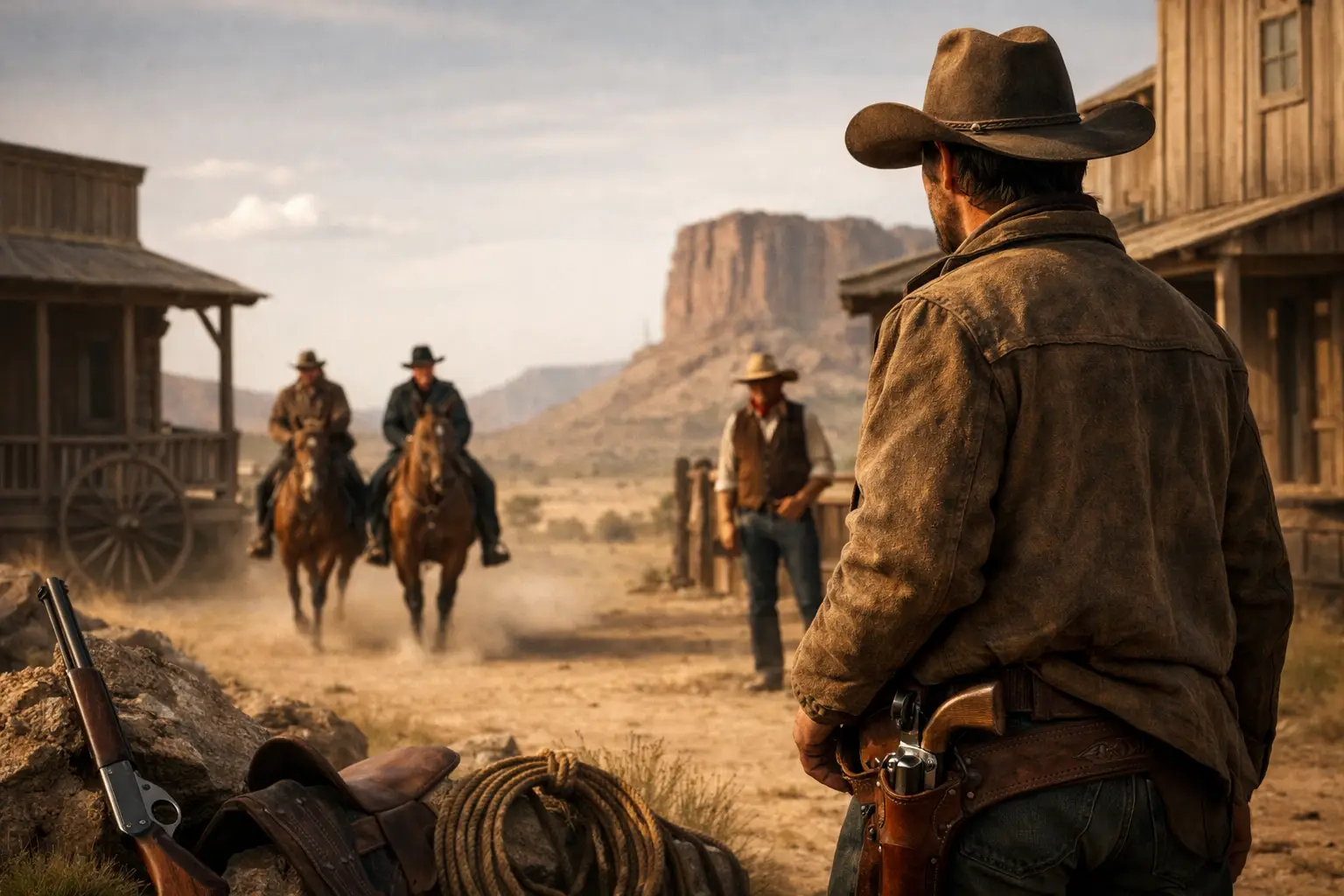
The saloon doors swing open, the street goes quiet, and somebody has to decide what kind of man they are before the dust settles. That is the lasting pull of classic western movies. They are not just shootouts and horseback chases. At their best, they are clean, sharp dramas about law, pride, revenge, survival, and the uneasy work of building a country.
For collectors, longtime fans, and curious first-time viewers, westerns also offer one of the richest corners of classic screen history. The genre changed constantly across the decades. Some films treated the frontier like legend. Others stripped that legend down and showed the cost underneath. That range is part of the fun. If you are building a watchlist, these 12 films are strong places to start.
Why classic western movies still hold up
Westerns age better than many people expect because the setup is so direct. A town is under pressure. A traveler arrives with a past. A sheriff, rancher, outlaw, or drifter has to choose between self-interest and responsibility. The clothing, weapons, and landscapes are period specific, but the conflicts feel modern.
The other reason they last is visual power. Classic western movies were built for big horizons, tense standoffs, and faces that tell a story before anybody speaks. Even when the pacing is slower than modern action films, the images do the heavy lifting. You remember a silhouette in a doorway, a rider crossing Monument Valley, or the silence before the first gunshot.
That said, not every western plays the same way now. Some older films lean heavily on mythmaking and flatten history in ways modern viewers will notice right away. That does not make them worthless, but it does change how they are best watched – as entertainment, as cultural artifacts, and sometimes as both at once.
12 classic western movies to put on your watchlist
Stagecoach (1939)
If you want to see the western snap into major Hollywood form, start here. Stagecoach takes a simple journey through dangerous territory and fills it with tension, personality, and movement. John Wayne becomes a star the moment he appears, but the film is more than a star turn. It is an ensemble story, packed with class conflict, moral judgment, and shifting alliances.
It also remains one of the cleanest introductions to what the genre can do. You get action, humor, danger, and a cross-section of frontier society all riding in the same coach.
My Darling Clementine (1946)
This is Wyatt Earp by way of grace and melancholy. Henry Fonda plays Earp with a calm, almost weary decency, while the film itself feels more interested in mood than speed. The famous gunfight is here, but so is a sense of civilization trying to plant itself in rough ground.
If some westerns are about conquest, this one is about fragile order. It is elegant without becoming stiff, and that balance is hard to pull off.
Red River (1948)
Not every western hero is heroic. Red River gives John Wayne one of his toughest roles as a cattle baron whose authority curdles into obsession. Montgomery Clift plays the younger man who finally pushes back, and the result is part trail movie, part family feud.
This is a good pick for viewers who like westerns with real character friction. The cattle drive supplies scale, but the emotional fight is what keeps the movie moving.
High Noon (1952)
Few westerns feel as stripped down and immediate as High Noon. A lawman learns that the outlaw he sent away is coming back on the noon train, and the town that once relied on him suddenly has reasons to disappear. The clock keeps ticking. So does the tension.
Its reputation is earned. The film turns cowardice, public image, and civic duty into the engine of suspense. If you think classic movies always move gently, this one will correct that impression fast.
Shane (1953)
Shane is one of the great outsider westerns. A mysterious gunfighter rides into the life of a farming family and becomes both protector and problem. The film understands how heroic violence can look and how costly it can be at the same time.
That double vision is why it stays with people. It offers the legend of the gunfighter, then quietly asks whether there is any place left for him once the shooting ends.
Johnny Guitar (1954)
This one sits slightly off the usual trail, which is exactly why it belongs on a serious western watchlist. Johnny Guitar is vivid, emotional, and full of confrontation. Joan Crawford brings steel and glamour to the center of the film, and Mercedes McCambridge nearly burns the whole thing down with her fury.
It is not the western for viewers who want plain realism. It is heightened, stylized, and intense. But if you want to see how elastic the genre could be, this is a thrilling example.
The Searchers (1956)
Few titles in classic western movies carry this much weight. John Wayne plays Ethan Edwards, one of the most formidable and troubling figures in the genre. The search at the heart of the story stretches across years and landscapes, but the deeper subject is obsession.
The film is visually stunning and emotionally complicated. It is also a movie many people wrestle with rather than simply admire. That is part of its staying power. It is not comfortable, and it was never meant to be.
Rio Bravo (1959)
Where High Noon is anxious and exposed, Rio Bravo is relaxed and confident. A sheriff holds a jailed killer while waiting for trouble to arrive, but the pleasure here comes from company as much as conflict. John Wayne, Dean Martin, Walter Brennan, and Angie Dickinson make the town feel lived in.
This is the western as hangout picture, though there is nothing slack about it. The film knows exactly how charm can sharpen suspense.
The Magnificent Seven (1960)
A group of hired gunmen agree to protect a poor village, and the film turns that setup into one of the most enjoyable team westerns ever made. The cast is stacked, the score is unforgettable, and the momentum rarely dips.
It is less haunted than some of the titles on this list, which can make it a smart entry point for newer viewers. You still get sacrifice, courage, and frontier danger, but with a crowd-pleasing snap.
The Man Who Shot Liberty Valance (1962)
This is the western looking back at itself. James Stewart plays a lawyer whose rise begins with a famous act of frontier bravery, while John Wayne embodies an older, rougher kind of justice that does not fit neatly into the future.
The film is about memory, politics, and the stories a country tells about how it was built. If you like westerns that question the myth instead of simply serving it, this one is essential.
The Good, the Bad and the Ugly (1966)
By the time this film arrived, the western had become leaner, stranger, and more operatic. Sergio Leone stretches tension until it hums, then pays it off with style nobody could mistake for anyone else. Clint Eastwood brings cool understatement, while Eli Wallach nearly steals the film outright.
It is longer and more stylized than the earlier Hollywood classics, so it may not be the first stop for every viewer. But once you are in its rhythm, it is hard to resist.
True Grit (1969)
John Wayne finally won his Oscar for Rooster Cogburn, and the role fits him perfectly. The story follows a determined young girl who hires the hard-drinking marshal to help track her father’s killer. That setup gives the film both grit and humor.
True Grit works because it never lets Wayne coast on swagger alone. The movie understands that personality matters in a western, but so does the moral stubbornness behind it.
How to choose the right western for your mood
If you want a gateway film, Stagecoach, Shane, or The Magnificent Seven are easy to recommend. They deliver the pleasures people expect from westerns without too much homework. If you want psychological tension, High Noon and The Searchers cut deeper. If you want something more reflective, The Man Who Shot Liberty Valance gives you the genre in conversation with its own legend.
It also depends on what kind of classic movie viewer you are. Some people respond first to stars. If that is you, follow John Wayne through different eras and you will watch the western evolve in real time. Others care more about atmosphere and directorial style. In that case, compare the open clarity of Ford to the heightened intensity of Leone and the genre suddenly feels much wider.
For viewers who love preservation and discovery, westerns are especially rewarding because presentation matters. A strong remastered or enhanced version can bring back texture in the landscape, detail in period costumes, and the deep contrast that gives these films their visual punch. On a curated platform like HetFlix, that sense of rediscovery is part of the appeal. These are familiar legends, but they can still feel fresh when they are well presented and easy to find.
What makes the best classic western movies endure
The strongest westerns understand that the gunfight is rarely the whole story. What matters is the pressure around it – the fear in a town, the pride between rivals, the loneliness of a man who only seems useful when trouble starts. That is why the genre never really disappears. It keeps returning in new forms because it asks old questions that do not go away.
If you have not watched one in a while, start with the title that matches your mood rather than the one that feels most prestigious. The right western tends to open the door to five more. Before long, you are not just revisiting a genre. You are watching American movie history ride by, one unforgettable figure at a time.