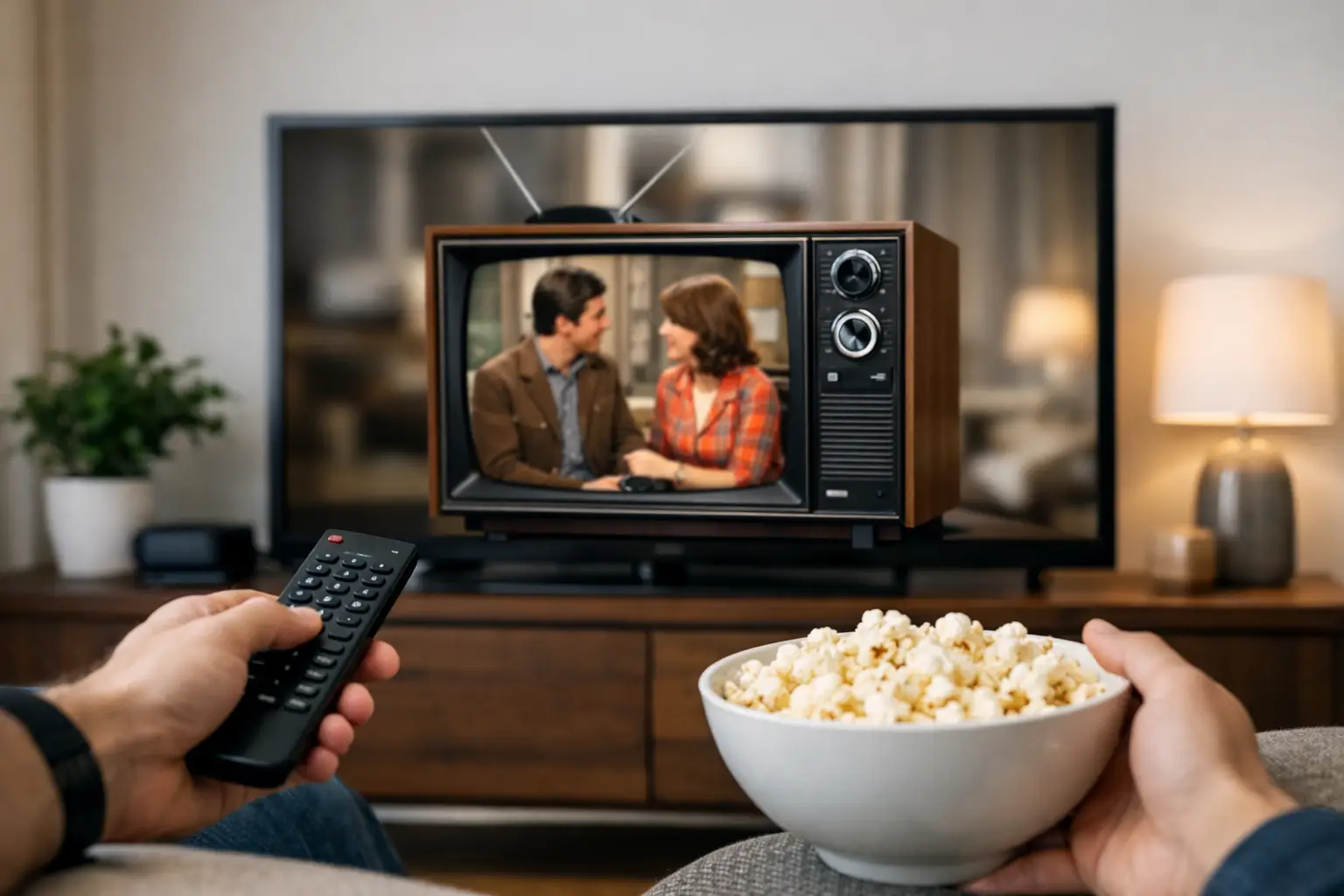
Some shows do not need a reboot, a gritty remake, or a prestige relaunch. They just need to be available. That is the real appeal behind old tv shows streaming – not just convenience, but the chance to revisit the voices, faces, pacing, and charm that shaped earlier eras of entertainment.
For classic TV fans, the problem is rarely interest. It is access. A beloved western might appear on one service for a few months and vanish. A vintage cartoon package may be split across multiple apps. A historical serial could be buried under newer recommendations that have nothing to do with what you actually want to watch. If you care about legacy media, finding the right platform matters almost as much as finding the right show.
Why old tv shows streaming still matters
Older television carries more than nostalgia. It preserves performance styles, studio craftsmanship, animation traditions, wartime storytelling, early franchise building, and the kind of episodic structure that modern streaming often leaves behind. Watching a classic detective hour, a black-and-white family sitcom, or an early adventure serial is also a way of seeing how American screen culture developed.
That is part of the reason classic viewers tend to browse differently. They are not always chasing the latest release. They want a familiar title, a specific era, or a category with real personality – vintage cartoons, early superhero serials, frontier dramas, romance musicals, or film-noir influenced television. For that audience, curation is not a luxury. It is the whole experience.
The trade-off is that older content can be complicated. Rights shift. Prints vary in quality. Some programs survive in stronger condition than others. A show may technically be available, but only in a poor transfer with thin audio and little context. Streaming old television well means more than posting files online. It means presenting legacy entertainment in a way that respects both the material and the viewer.
What to look for in old tv shows streaming
If you are searching for classic series online, quantity alone is not enough. A large catalog sounds impressive, but it does not help much if the platform is hard to browse or packed with random filler. For older entertainment, discoverability counts.
A good classic streaming experience usually starts with organization. Genre browsing should feel purposeful. If you want vintage animation, westerns, old crime stories, or historical screen media, you should not have to fight through rows of unrelated modern content to get there. The best services make it easy to move by era, style, and recognizable title.
Presentation quality matters too. Not every program can look pristine, and serious fans know that. Still, there is a clear difference between neglected uploads and carefully handled library content. Remastered or enhanced editions can make a major difference, especially for older cartoons, serials, and black-and-white television that benefit from stabilized picture and cleaner contrast. In some cases, colored or platform-enhanced versions can offer a fresh entry point for viewers who love classic material but prefer a slightly updated presentation.
Context is another overlooked feature. Older shows often need a sentence or two of framing – what the series is, why it stands out, and what kind of viewer it will appeal to. That is especially true for younger audiences who may know a character like Superman, Popeye, or Dick Tracy but have never explored the earlier screen versions.
The challenge with mainstream platforms
Mainstream streaming services are built to serve the broadest possible audience, which means classic programming often ends up as a side shelf rather than a destination. You might find a handful of famous older series, but deep catalog material is usually inconsistent. One month there is a solid lineup of vintage TV, and the next month the collection has thinned out or disappeared behind licensing changes.
That approach works if you only want occasional nostalgia. It is less satisfying if classic entertainment is your actual interest. Collectors, historians, and longtime fans tend to want continuity. They want to know that if they begin a run of older episodes, the catalog will still make sense next week.
There is also the issue of identity. On a general platform, classic titles are often treated as library leftovers. On a dedicated service, they become the main attraction. That shift changes how the content is described, surfaced, and appreciated. It turns passive availability into active discovery.
Why niche platforms do classic TV better
This is where specialized services have a real edge. A focused platform can build its entire experience around the pleasures of archival browsing. Instead of hiding old material behind algorithmic noise, it can place legacy content front and center, organized in a way that reflects how classic fans actually search.
For viewers interested in vintage cartoons, film serials, silent-era screen entertainment, classic television, and historic genre filmmaking, a niche library feels less like a random app and more like a well-kept collection. That is a meaningful difference. It invites exploration. One title leads to another. A familiar character opens the door to a whole period of entertainment history.
That collector-minded approach is especially valuable when the service includes editorial descriptions and restoration-forward presentation. An enhanced or remastered title does more than improve image quality. It signals care. It tells the viewer that this material is worth preserving and worth watching now, not just remembering from a distance.
Platforms built around this philosophy also understand that old entertainment is not one thing. A viewer looking for a frontier western may not be looking for a wartime short. A fan of Betty Boop may also want Popeye or Looney Tunes, but not necessarily a mid-century detective program in the same sitting. Strong curation respects those distinctions while still encouraging discovery across related genres.
How to choose the right service for old tv shows streaming
The best choice depends on what kind of classic viewer you are. If you only revisit a well-known sitcom once in a while, a general streamer may be enough. If you actively seek out hard-to-find shows, early screen franchises, historic animation, and overlooked black-and-white programming, a specialty platform will usually serve you better.
Start by asking a simple question: do you want a few old favorites, or do you want a library built for classic discovery? That answer shapes everything else.
Next, think about catalog depth versus brand familiarity. A mainstream service may carry a more famous title, but a specialized one is more likely to have surrounding material – companion series, related shorts, genre neighbors, and era-specific discoveries that make the experience richer. For many fans, that is where the real value lives.
Then consider how you browse. If you prefer to search by character, genre, and historical style rather than by whatever the homepage is pushing, choose a service that treats catalog navigation seriously. HetFlix, for example, reflects that archive-inspired model by centering vintage cartoons, classic TV shows, serial adventures, westerns, and other legacy screen favorites in one curated streaming home.
Finally, be honest about presentation standards. Some viewers are content with whatever version is available. Others want cleaner transfers, stronger organization, and a sense that the material has been handled with respect. There is no wrong preference, but knowing yours saves time.
The best part of streaming old TV now
The strongest argument for classic streaming is not that it recreates the past perfectly. It is that it makes the past watchable again. A show that once lived in fading memory, on worn tapes, or in scattered uploads can become part of your regular viewing life.
That changes how older entertainment is valued. It stops being trivia and becomes experience. You notice timing, set design, vocal performance, serialized cliffhangers, title cards, sponsor-era rhythms, and all the small details that disappear when classic media is discussed only as history. Streaming gives these shows a living audience again.
It also broadens who gets to enjoy them. Older viewers can reconnect with childhood favorites. Collectors can track down titles they have not seen in years. Younger fans can discover that vintage entertainment is not homework – it is funny, stylish, strange, energetic, and often more inventive than expected.
The real pleasure of old tv shows streaming is that one episode rarely stays just one episode. A single visit with a familiar character or a forgotten series often opens into a wider world of classic screen entertainment. When a platform is built to support that kind of discovery, old television stops feeling old at all. It simply feels available, preserved, and ready to watch tonight.